Is Singapore really as safe as people claim, even after midnight. Global crime indexes continue to rank the city among the safest large urban areas in the world.
Daily life still rewards attention and awareness. Neighborhood safety in 2026 is less about fear and more about understanding how people move, interact, and look out for shared space.
In his guide you will find realistic tips shaped by daily routines, transit patterns, and social norms. The goal is to help you move comfortably, read situations clearly, and avoid unnecessary stress. Safety here works quietly. Knowing how it functions makes every neighborhood feel easier to navigate.
How Singapore Approaches Neighborhood Safety At Street Level
Source:aa-highway.com.sg
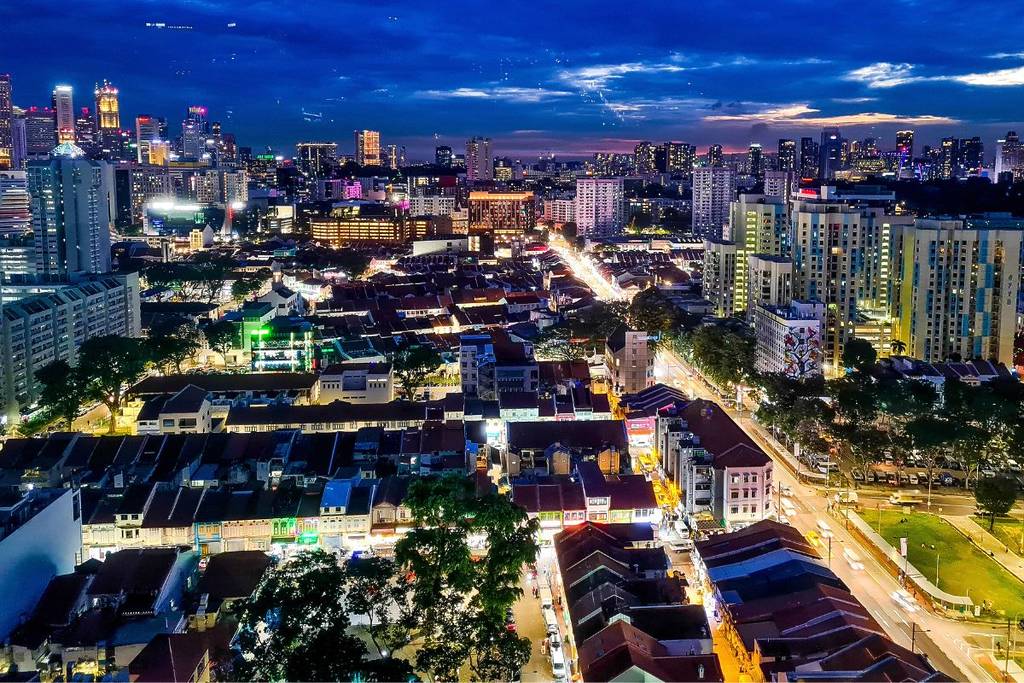
Safety in Singapore begins with structure rather than surveillance drama. Neighborhoods are designed for visibility, steady foot traffic, and predictable routines. Residential blocks sit near shops, transit stops, and food centers. Streets stay active well into the evening. This everyday presence matters more than heavy enforcement.
Community norms also play a role. People notice changes. Neighbors report issues early. Clean shared spaces reduce disorder. Lighting is consistent and practical.
Key street level factors include
• Clear sight lines between buildings
• Mixed use areas with steady activity
• Regular patrols without intimidation
• Strong social expectation of order
Criminal incidents remain low across districts. Personal safety improves when visitors align with these patterns. Walk where others walk. Use main paths. Trust the design.
Safety Expectations In Central And Waterfront Districts
Central districts feel busy at most hours. Office workers, residents, and visitors overlap across the day. Areas near Marina Bay and Bayshore Road maintain strong lighting and consistent security presence. Access control in residential buildings adds another layer of comfort.
Developments like Vela Bay reflect how location and design intersect with safety. Proximity to transit, water facing promenades, and staffed entrances create a calm environment. Daily errands stay walkable. Late evening movement feels normal rather than isolated.
Common safety characteristics in these areas include
• Active ground floors with retail
• Security staff at residential lobbies
• Open public walkways with lighting
• Easy access to rail and bus lines
Busy does not mean chaotic. Order remains visible even during peak hours.
Local Norms That Quietly Support Personal Safety
Source:straitstimes.com
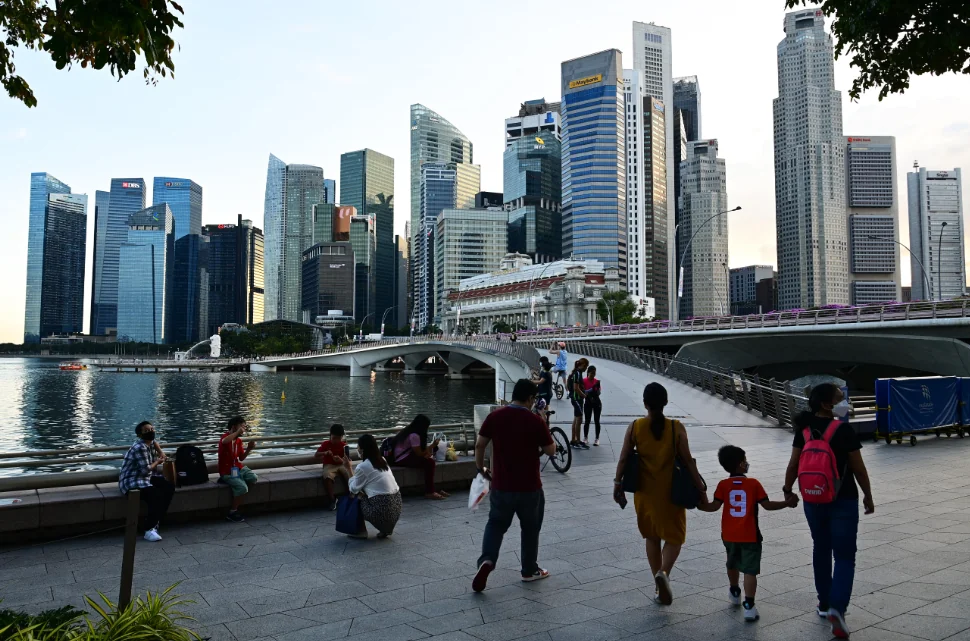
Social behavior in Singapore reduces risk without direct confrontation. People avoid loud disputes in public. Crowds move with purpose. Personal space is respected. These habits discourage escalation.
Visitors benefit from blending into these norms. Speak calmly. Keep belongings close without showing anxiety. Avoid drawing attention through confrontational gestures.
Unwritten norms that matter
• Queuing without pushing
• Keeping walkways clear
• Respecting shared transport space
• Responding calmly to mistakes
Conflict rarely grows because others intervene early or authorities appear quickly. Understanding these patterns lowers stress. Safety here relies on cooperation more than caution.
Late Night Travel Across Different Neighborhood Types
Late night travel remains common and practical. Trains run until late hours. Night buses cover major corridors. Ride hailing services stay reliable across districts.
Residential neighborhoods feel quieter but not empty. Lighting remains consistent. Convenience stores operate around the clock. Walking short distances stays comfortable.
Tips for late night movement
• Choose well lit main streets
• Sit near other passengers on transit
• Use licensed ride services
• Keep destination planned before departure
Avoid shortcuts through dark parks. Stick to routes that locals use. Late night travel in Singapore rewards predictability rather than speed.
Transit Safety On MRT Buses And Walking Routes
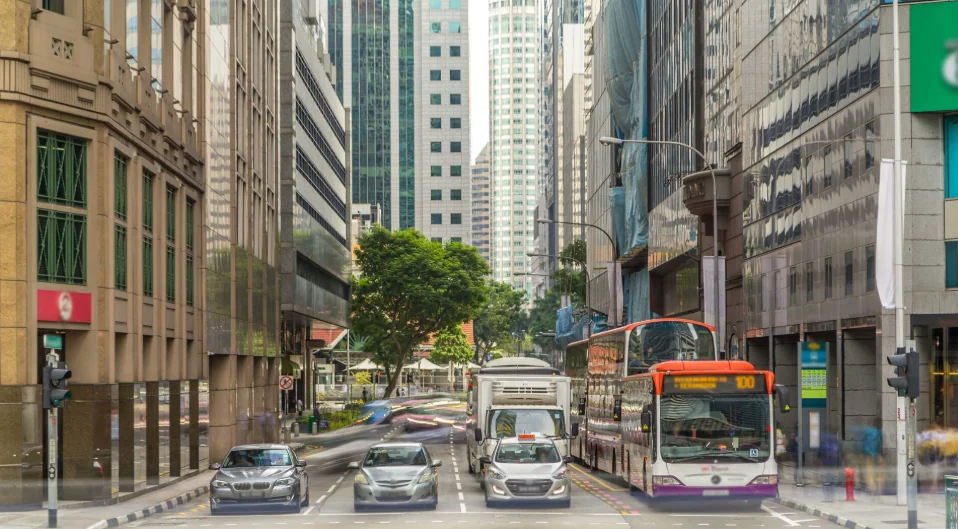
Public transport safety ranks high due to design and behavior. Stations use open layouts. Staff remain visible. Cameras cover platforms and entrances.
Walking routes between stations and homes follow clear paths. Residential corridors connect directly to transit hubs. Underpasses and bridges stay well maintained.
Table:Late Night Transit Safety Comparison In Singapore
| Transport Mode | Primary Safety Feature | Late Night Reliability |
| MRT | Staffed stations and controlled access | High |
| Bus | Bright interiors and frequent stops | High |
| Walking | Consistent lighting near residential areas | Moderate to high |
This comparison highlights how safety feels in practice rather than on paper. MRT travel remains the most structured option late at night due to staffed stations and predictable layouts. Buses stay dependable thanks to visibility inside vehicles and regular routes. Walking comfort depends more on location, with residential corridors and main roads feeling far safer than parks or shortcut paths after dark.
Everyday Areas That Feel Safe But Need Awareness
Markets, food centers, and shopping streets feel informal and friendly. Crowds create comfort. Small theft can still occur during busy hours.
Pickpocketing remains rare but possible in dense spaces. Bags left unattended draw attention. Phones placed openly on tables invite risk.
Simple habits reduce problems
• Keep bags zipped
• Place valuables out of sight
• Stay aware in crowded queues
Awareness does not mean suspicion. Calm attention blends best with local behavior. Most incidents stay minor and avoidable through basic care.
Understanding Police Presence And Emergency Response
Police visibility stays low key. Officers patrol on foot or bike. Response times remain fast. Emergency services operate efficiently across districts.
Residents trust the system. Visitors can do the same. Reporting concerns does not require escalation. Assistance remains practical and calm.
Singapore emergency services emphasize rapid response and de escalation through presence rather than force. This approach keeps public spaces calm.
Knowing how help appears reduces anxiety. Safety improves when people understand support exists even when unseen.
Choosing Accommodation With Safety In Mind
Accommodation location shapes daily comfort. Proximity to transit matters more than luxury level. Mixed use neighborhoods feel safer than isolated zones.
Consider daily routes. Look at lighting. Observe evening activity before booking.
Checklist for choosing well
• Walking distance to rail or bus
• Active ground level nearby
• Staffed building entrances
• Clear access paths
Comfort grows when routines feel predictable. Safety becomes part of the environment rather than a separate concern.
Moving Confidently Through Singapore
Source:marinabaycountdown.gov.sg
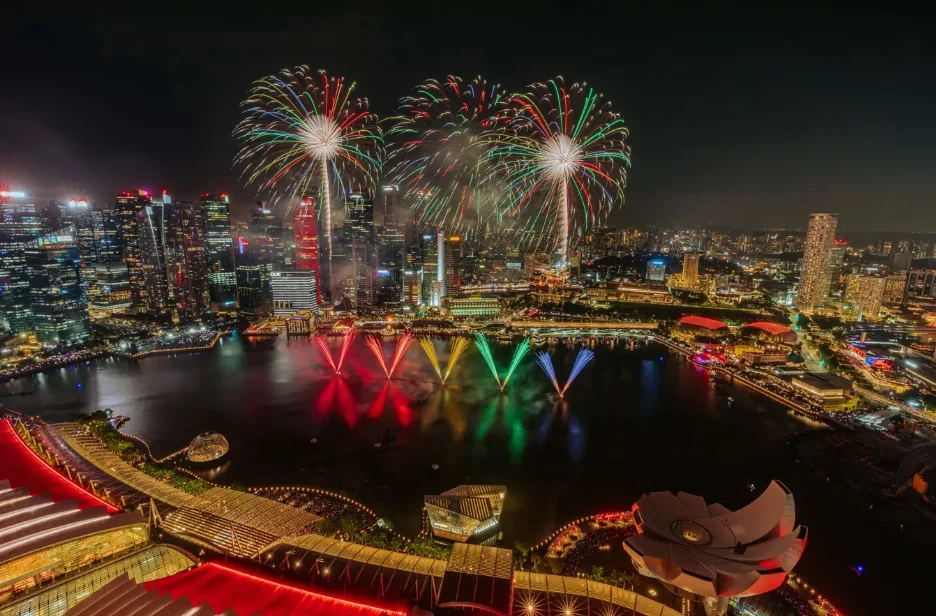
Singapore in 2026 remains one of the easiest cities to navigate with confidence. Neighborhood safety comes from design, norms, and shared responsibility. Visitors benefit by observing patterns rather than relying on assumptions.
Move with purpose. Use main routes. Respect local behavior. Late night travel stays practical when planned calmly. Safety here feels quiet because it works consistently.
Confidence grows from understanding how the city supports everyday movement. When you align with that structure, neighborhoods feel welcoming at any hour.