Classic tractor restoration is often imagined as a quiet, solitary pursuit, spent in workshops with tools, manuals, and patience.
In reality, it is one of the most social and community-focused hobbies within agricultural culture.
Behind every restored tractor is a web of conversations, shared advice, friendships, and collective problem-solving that connects people across generations and locations.
A Shared Language of Restoration
At its core, tractor restoration creates a shared language. Whether someone is restoring their first vintage tractor or reviving a machine tied to childhood memories, the challenges tend to be familiar.
Rusted bodywork, worn seals, electrical issues, and missing components are common hurdles. Discussing these challenges helps form instant connections, turning frustration into collaboration and making newcomers feel supported rather than isolated.
The Role of Local Tractor Clubs
Local tractor clubs form the backbone of many restoration communities. Often centered around specific brands or time periods, these clubs offer regular opportunities to meet, share progress, and exchange practical knowledge.
Meetings may include guest speakers, visits to workshops, or informal troubleshooting sessions. Over time, these gatherings often become as much about friendship as they are about machinery.
Source: gta.fandom.com
Vintage Tractor Shows and Rallies
Vintage tractor shows and rallies bring the community into the public eye. While the tractors themselves draw attention, the real value lies in the social atmosphere. Restorers swap stories, compare techniques, and take pride in explaining their work to visitors.
For families, these events often become yearly traditions that help pass agricultural history and enthusiasm from one generation to the next.
Online Communities and Global Knowledge Sharing
Online platforms have expanded restoration communities beyond geographic boundaries. Forums, social media groups, and video channels allow restorers to document projects, ask questions, and share solutions. A mechanical issue encountered in one workshop is often solved by someone miles away who faced the same problem years earlier. This ongoing exchange keeps traditional skills alive and evolving.
Parts Suppliers and Practical Support
During many restoration projects, access to the right parts becomes a turning point. Practical support from specialist suppliers such as Masseyparts often determines whether a tractor returns to working condition or remains a display piece.
Reliable parts sources quickly become trusted names within the community and frequent topics of discussion.
Mentorship and Skill Transfer
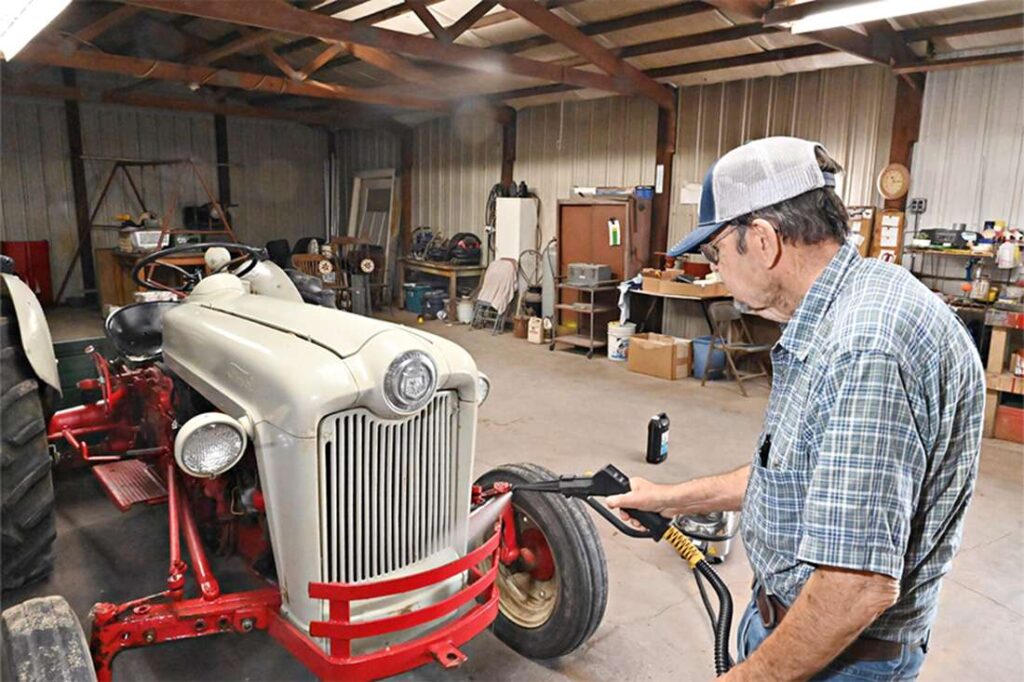
Mentorship plays a vital role in restoration culture. Experienced restorers often enjoy guiding newcomers, sharing knowledge about sourcing parts, correct finishes, and mechanical adjustments. Much of this expertise is informal and rarely written down.
Younger enthusiasts bring fresh perspectives and energy, helping ensure that restoration skills continue to adapt and survive.
Source: agriculture.com
Restoration as Shared Purpose and Heritage
Many restoration projects are driven by nostalgia or family history. Tractors passed down through generations carry emotional weight, and restoring them becomes a way to honour the past.
Sharing these stories deepens connections within the community and reinforces that restoration is about heritage as much as technical skill.
Charity, Fundraising, and Community Impact
Restoration communities often extend their impact through charity events and fundraisers. Tractor rallies and shows regularly support local causes, using restored machines as focal points for wider community engagement.
These efforts highlight how restoration contributes to rural life beyond the workshop.
Inclusivity in the Restoration World
While rooted in tradition, modern tractor restoration communities are increasingly inclusive. People of all ages, genders, and skill levels are welcome.
Whether someone aims for concours-level restoration or simply wants to keep an old tractor running, there is space for them. This openness helps keep the hobby accessible and relevant.
Learning Through Hands-On Collaboration
One of the strongest community builders in tractor restoration is hands-on collaboration. Working together on real problems creates trust and lasting connections that go beyond casual conversation.
A common way this happens is through shared workshop days, where members bring projects or specific issues to solve together. These sessions naturally combine learning with social time:
- Experienced members demonstrate techniques such as aligning panels, setting timing, or adjusting linkages, while others observe and ask questions
- Newer restorers gain confidence by assisting with smaller tasks before tackling similar work at home
- Mistakes are treated as learning moments rather than failures, which lowers the barrier to participation
Pro tip ─ Keeping these sessions informal encourages participation. Coffee, conversation, and flexible schedules matter just as much as the tools on the bench.
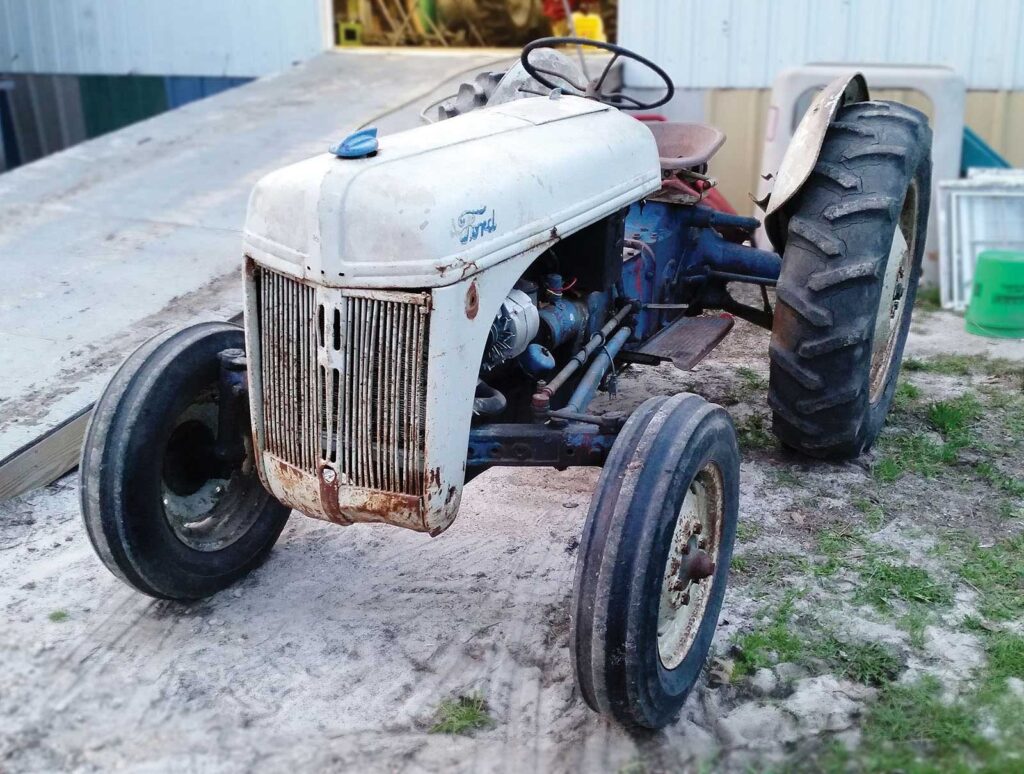
Source: n-news.com
Problem Solving as a Social Activity
Troubleshooting is rarely a solo process in strong restoration communities. Mechanical problems often become shared puzzles that bring people together.
Instead of one person struggling alone, issues are discussed openly within clubs or online groups. Someone else has usually faced the same challenge before:
- A starting issue might turn into a discussion about fuel delivery, ignition timing, and period-correct components
- Photos and short videos shared online help others spot problems quickly
- Solutions often include workarounds based on real experience, not just manuals
Practical example ─ A restorer struggling with inconsistent running may discover through discussion that a small air leak in a rarely checked gasket is the true cause, saving hours of unnecessary repairs.
Building Confidence Through Small Wins
Restoration communities help members build confidence by celebrating small progress, not just finished tractors. This approach keeps people motivated and engaged over long projects.
Rather than focusing only on the end result, communities often encourage sharing milestones along the way.
- Completing a wiring loom correctly is acknowledged as real progress
- Successfully sourcing an original part is treated as a win
- Learning a new skill, even on a minor component, is recognised
Pro tip ─ Documenting small achievements with photos or notes makes long-term projects feel manageable and encourages others who are just starting out.
Community as the True Achievement
Ultimately, classic tractor restoration builds community through shared challenges, shared history, and shared success. Every finished tractor reflects countless conversations, favours, and moments of cooperation. The machine may shine on the show field, but the real achievement lies in the relationships formed along the way.