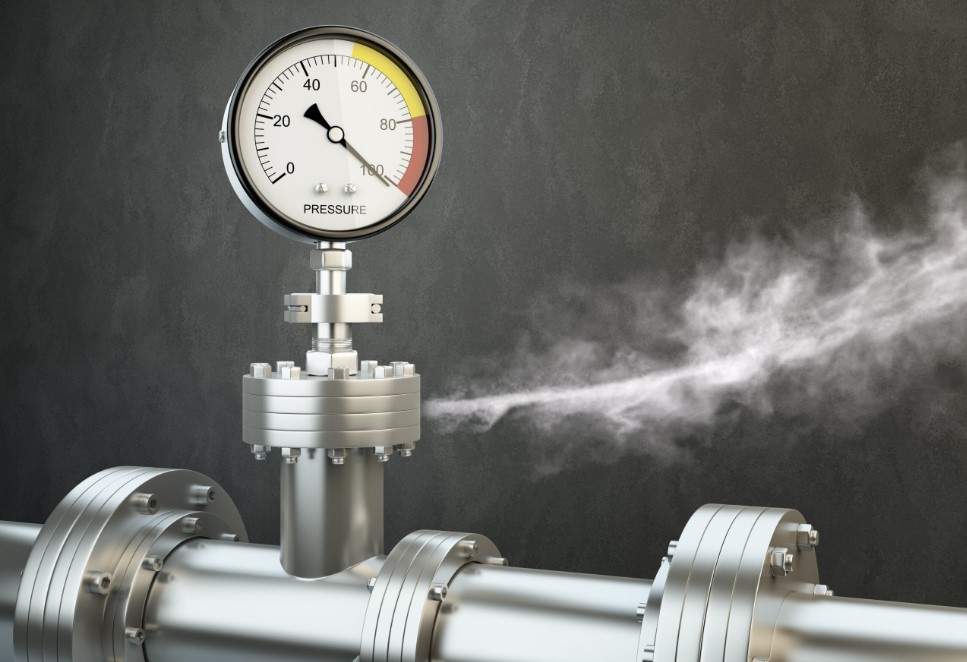
Factors such as affordability and convenience make it easy to see why so many Australians prefer using natural gas in their homes rather than electricity. In addition to this, using natural gas for cooking and heating is also considered more sustainable.
If you’ve recently switched out your electrical appliances for their gas counterparts, it’s essential to point out that gas has significant risks. The local gas plumber Sydney residents trust will be the first to tell you that while gas is convenient, new users should be aware of the dangers of a gas leak in your home. We explore the signs you should keep an eye out for.
Understanding How Gas Works in Your Australian Home
Before we jump into the signs to be aware of, it’s helpful to know how the whole gas process works in your home. Essentially, the process works by having natural gas flow from a supplier (via underground reserves) through a vast network of pipelines. These reach your home via a meter and local connection. The gas is then distributed to appliances such as heaters, stoves, and hot water systems, which in turn are burned to create instant heat.
Natural gas can be harmful due to the severe explosion and fire risks. This is because gas is highly flammable and can ignite easily. Gas leaks can also cause carbon monoxide poisoning, which can eventually be fatal.
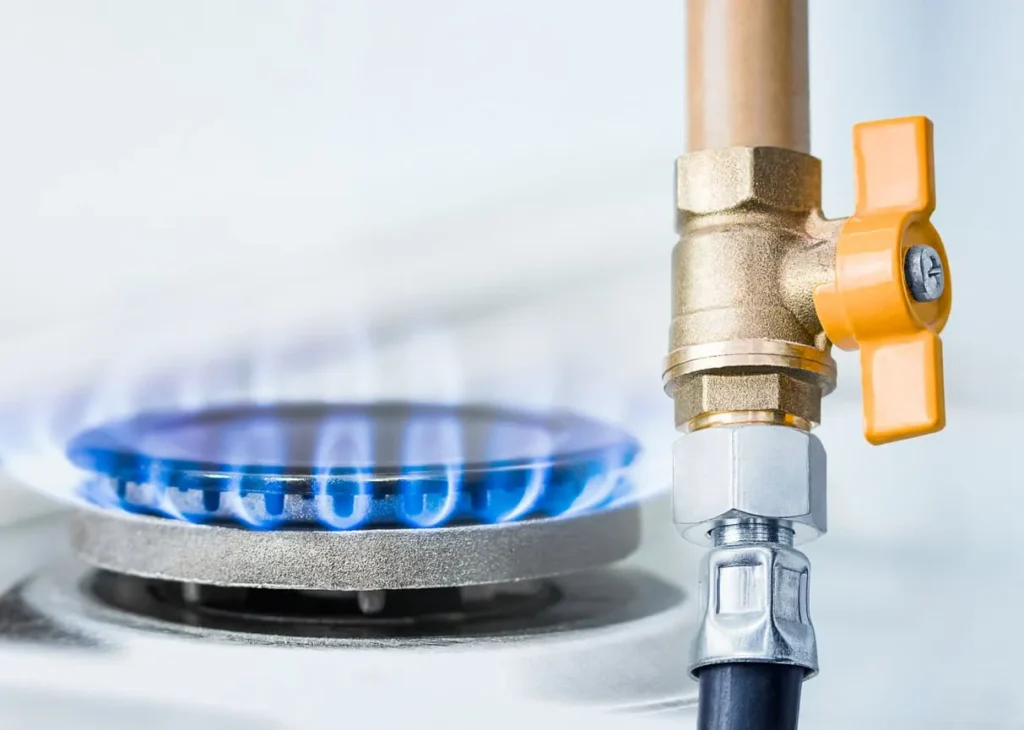
Source: lazerhomeservices.com
Know What Signs Hint at a Potential Gas Leak
One of the top reasons why gas is the preferred option in Australia is because of its versatility. Natural gas can be used both indoors and outdoors, as well as in your entertainment area. Whether you’re using gas to heat your stove, other appliances, or even your outdoor BBQ, there’s always the risk of a leak appearing in a faulty line. Here’s a list of the top signs everyone in your household should be aware of.
1. You Start Noticing a Funny Smell
The most significant sign that there may be a potential gas leak in your home is a strange smell that resembles rotten eggs. A little-known fact is that gas used to be odourless, which made it impossible to smell a leak.
Advancements in recent years have seen suppliers adding a special additive called methanethiol, which gives the gas a more distinctive sulphur-like odour. This makes a gas leak easier to detect and can mean the difference between life and death. Smelling something that resembles rotten eggs is a clear indicator that everyone should leave the house while you call the plumber. Be sure to turn the main gas switch off first.
2. There May be Strange Hissing Sound
It’s important to note that you may not see, hear, or smell all of the signs listed. In some instances, you may only experience one. This means that you shouldn’t wait for a hissing sound before acting on a strange sulphur-like smell. Depending on where the leak is and what’s causing it, there may not be a hissing sound.
Hissing sounds are usually an indication of a damaged pipe leading to an appliance. Never attempt to repair these on your own. Evacuate your home immediately, turn off the gas, and call your plumber. It’s a good idea to have everyone in the home know where to turn the gas off and also how to reach an emergency plumber.
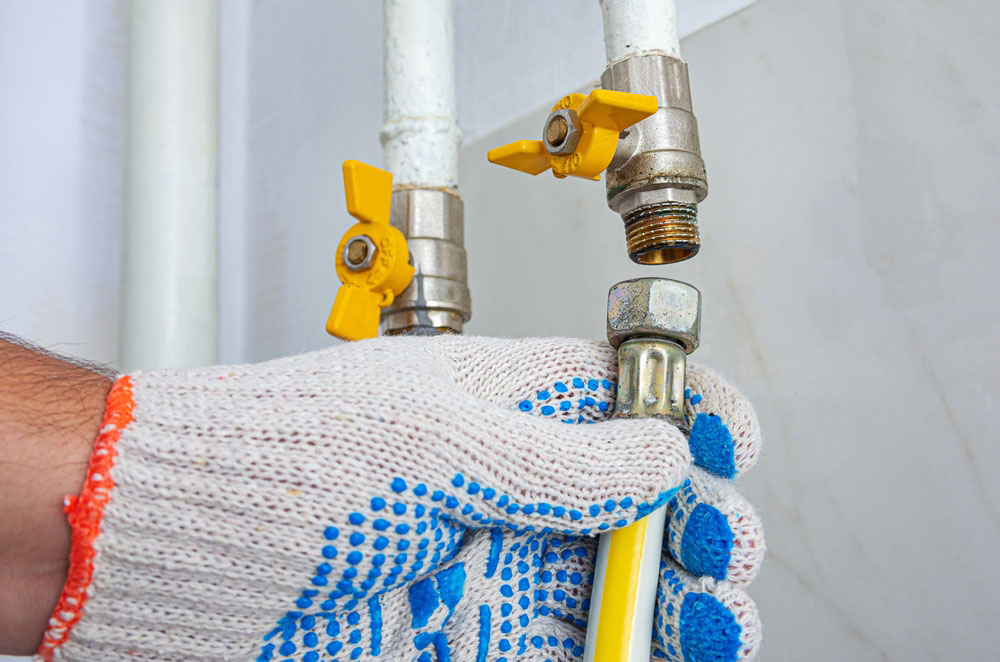
Source: obrien.com.au
3. An Unusual Fog Seems to Be Hanging Around in Your Home
The air in your home should always be clear. That means if you suddenly see a mist-like fog floating around in your home, it may be a sign that there’s a gas leak. Don’t expect to see this fog near your gas appliances, as it’s more than likely not coming from there. In most cases, the fog comes from a broken main gas line, and if ignored, it can get dangerously worse.
4. Symptoms Reflect Flu-Like Symptoms
It’s crucial to remember that gas leaks can’t be seen. If your home has been exposed to gas, people and pets may start experiencing flu-like symptoms. Keep an eye out for any signs of lethargy and fatigue. This is especially essential if the person wasn’t feeling sick the day before.
Top carbon monoxide symptoms to look out for include:
- Unexplained and sudden nausea
- Sudden chest pain
- Unexplained headaches
- Shallow or irregular breathing
- Drowsiness and onset of dizziness
- Flu-like symptoms
In this case, call your emergency plumber immediately and get all people and pets out of the house. Open as many windows as possible to clear your home of gas build-up.
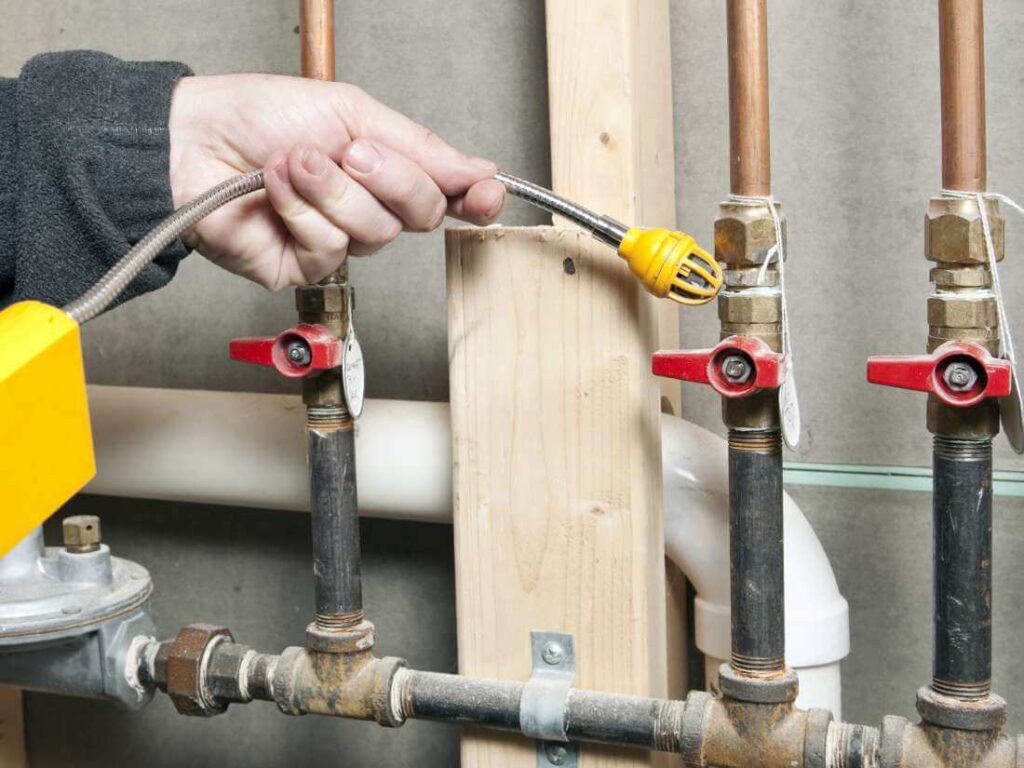
Source: osheaplumbing.com.au
Final Thoughts
Natural gas not only makes your home more energy efficient but is also more affordable. There is, however, always the risk of a gas leak. With this in mind, it’s essential to know what signs to look out for.
In addition to looking out for smells, sounds, and flu-like symptoms, new gas users should also know where the gas mains are located and how to turn them off. It’s essential to have the number of an emergency plumber handy in case of an emergency. Being prepared means you can use your gas freely and without too much stress!
Regular maintenance and periodic inspections also play a key role in long-term gas safety. Having appliances professionally checked helps identify small issues before they escalate into serious hazards. Even simple habits, such as paying attention to changes in appliance performance or flame colour, can provide early warnings and add an extra layer of protection for your household.