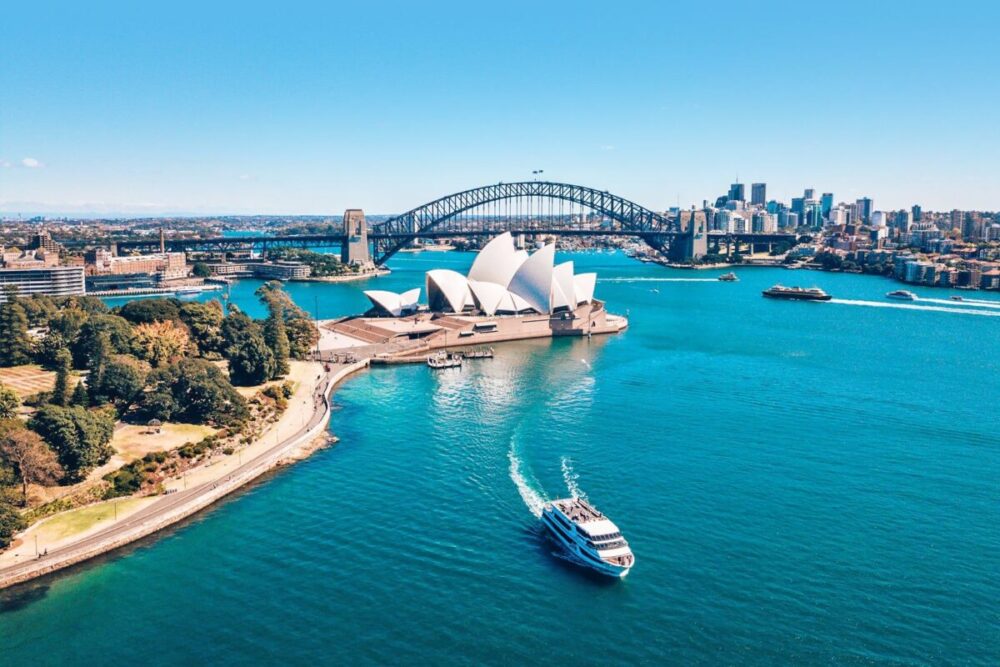
Corporate events in Sydney are changing faster than many suppliers realise. According to recent industry surveys from Australian event associations, more than 70 percent of corporate planners now rate catering quality and adaptability as the single biggest factor in overall event success. That is a telling shift.
Catering is no longer a background service. It has become part of the experience, the brand message, and the sustainability story.
If you organise events in the CBD, Parramatta, or along the Northern Beaches, expectations in 2026 are higher, more specific, and more informed than ever. The good news is that planners who understand these expectations early are far better positioned to deliver events that feel current, polished, and genuinely well organised.
A Clear Shift Towards Experience-Driven Catering
Corporate catering in Sydney is no longer just about feeding guests efficiently. Event planners now expect catering to actively support the purpose and tone of the event. A leadership summit in the CBD demands a very different approach from a relaxed summer networking event on the Northern Beaches, even if guest numbers are similar.
In 2026, planners want caterers who understand how food shapes atmosphere. Timing, presentation, and service flow all matter. Long queues or awkward service breaks are seen as planning failures, not minor inconveniences. Menus are expected to align with event schedules, speaker sessions, and networking windows.
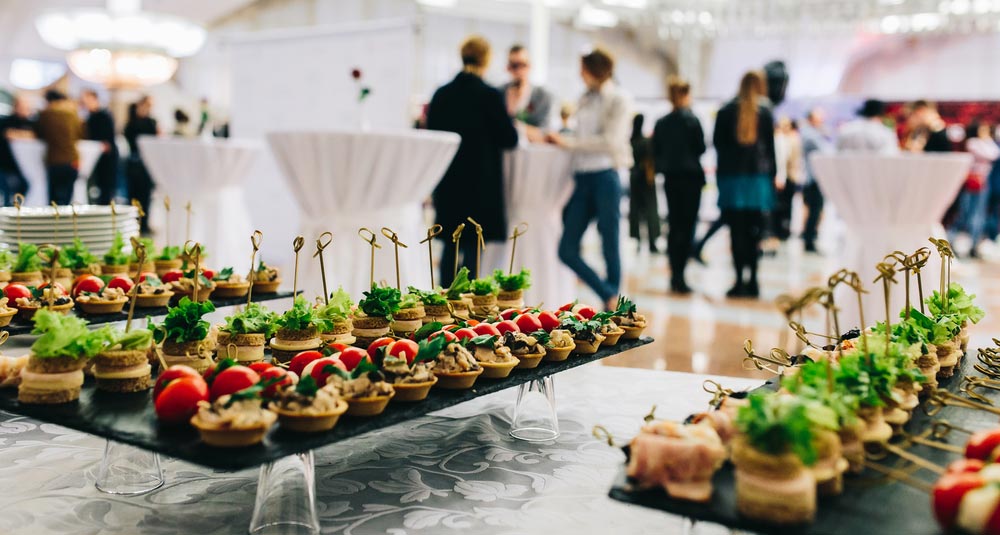
Canapés and well-designed finger food menus allow catering to blend into the event rhythm, supporting both professional interaction and relaxed social flow. This is why in Sydney, many planners now rely on finger food catering Sydney events, where guests can engage without being tied to formal seating or long service breaks.
Key experience-focused expectations include:
- Menus that match the formality and pacing of the event
- Service styles that encourage interaction, not disruption
- Food presentation that complements the venue and brand identity
Catering is now part of the event design process, not an afterthought added at the end.
Source: signaturebanquets.com
Seasonal NSW Produce Is No Longer Optional
Sydney corporate planners in 2026 expect menus to reflect the local season by default. Seasonal NSW produce is not seen as a premium feature anymore. It is considered basic professional practice. Summer events, especially Christmas parties held in November and December, are expected to feature lighter flavours, fresh vegetables, and heat-appropriate dishes.
Using seasonal produce is not only about flavour. It signals planning competence, cost awareness, and sustainability awareness. Guests increasingly notice when menus feel disconnected from the time of year, particularly during the Australian summer.
Seasonal expectations typically include:
- Summer menus built around fresh salads, seafood, and lighter proteins
- Clear avoidance of heavy, winter-style dishes during warmer months
- Flexibility to adapt menus based on weather forecasts
In Sydney, seasonality is a marker of relevance. Ignoring it creates an immediate disconnect with informed corporate audiences.
Zero-Waste Practices Are a Planning Requirement, Not a Trend
Sustainable catering has moved beyond marketing language. In 2026, Sydney event planners expect zero-waste practices to be embedded into catering operations. This is especially true for corporate events linked to ESG reporting or public-facing organisations.
Waste reduction is evaluated across the entire catering process, not just compostable packaging. Planners now ask specific questions about portion control, surplus food handling, and supplier sourcing. Vague sustainability claims are no longer sufficient.
Common zero-waste expectations include:
- Accurate guest number planning to minimise food surplus
- Reusable service ware where venue rules allow
- Clear processes for food donation or redistribution

Source: liveabout.com
Did you know?
NSW councils increasingly encourage large events to document waste reduction strategies as part of venue approvals, making sustainable catering a practical necessity rather than an optional extra.
Caterers who can demonstrate real systems, not slogans, stand out quickly.
Dietary Inclusivity Is Assumed, Not Requested
By 2026, Sydney corporate planners do not want to negotiate dietary inclusivity. Vegan, gluten-free, and allergen-aware options are expected to be seamlessly integrated into every menu. Segregated or visibly secondary options are seen as outdated and poorly planned.
Inclusivity is about design, not accommodation. Planners want menus where all guests feel equally considered, without needing to self-identify or ask staff for alternatives. This expectation applies equally in the CBD, Parramatta, and coastal venues.
Inclusive catering standards typically include:
- Multiple naturally vegan and gluten-free options within the main menu
- Clear labelling that does not single out or marginalise
- Staff trained to answer dietary questions confidently and accurately
This approach reflects broader corporate values around inclusion and professionalism, and catering is expected to support those values quietly and competently.
Service Efficiency and Staffing Quality Matter More Than Ever
In Sydney’s competitive event landscape, poor service is noticed immediately. Corporate planners in 2026 expect catering teams to be well briefed, well paced, and visibly professional without being intrusive. Staffing quality is judged just as closely as food quality.
This is particularly important for events in high-pressure environments like CBD conference venues or large Parramatta business hubs. Delays, confusion, or inconsistent service flow disrupt event schedules and reflect badly on organisers.
Service-related expectations include:
- Staff numbers scaled appropriately to guest count and service style
- Clear understanding of event run sheets and key timings
- Calm, proactive issue resolution without escalating minor problems
Efficient service allows planners to focus on the event itself, which is ultimately what they value most in a catering partner.

Source: weddingplanninginstitute.com
Local Knowledge Adds Real Value for Sydney Events
Caterers who understand Sydney’s geography and logistics have a clear advantage. Traffic patterns, venue access rules, and local council requirements vary widely between the CBD, Parramatta, and the Northern Beaches. Planners expect catering partners to anticipate these challenges rather than react to them.
Local knowledge supports smoother setups, more accurate timing, and better contingency planning. It also helps caterers recommend menu and service adjustments based on venue constraints or weather exposure.
A simple planning table often used by Sydney event teams looks like this:
|
Area |
Key Catering Consideration |
Practical Impact |
| CBD | Restricted loading zones | Precise delivery timing |
| Parramatta | Larger venues, higher volume | Scalable service teams |
| Northern Beaches | Weather exposure | Flexible menu design |
Understanding these differences reduces friction and builds trust quickly.
How Expectations Will Continue to Evolve Beyond 2026
Looking ahead, Sydney corporate event planners expect catering partners to remain adaptable. Technology, sustainability standards, and guest expectations will continue to shift. What matters most is not chasing trends, but building systems that respond intelligently to change.
Planners value caterers who communicate clearly, plan thoroughly, and understand the local context in which events operate. Catering that feels effortless, inclusive, and well considered allows events to succeed without drawing attention to the logistics behind them.
In 2026, great catering in Sydney is not loud or flashy. It is thoughtful, seasonal, sustainable, and professionally executed. For corporate planners, that is no longer exceptional. It is simply the standard.